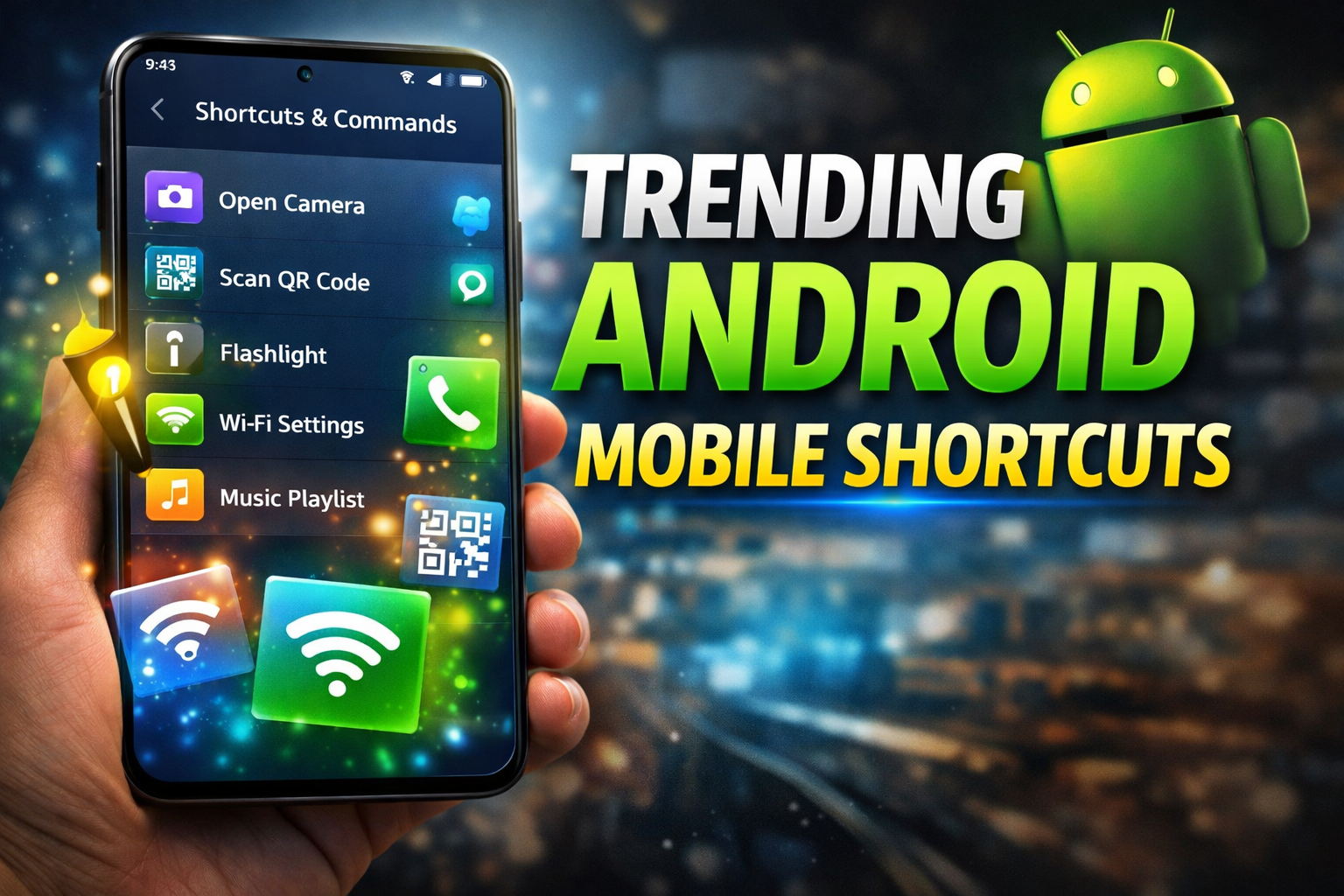
In 2026, Android users are no longer interested in tapping through multiple menus just to perform simple tasks. Speed and efficiency have become the priority, and that’s exactly where shortcuts come in. The modern version of Android has evolved to support smarter, faster interactions that save time every single day. If you’re still using your phone the old way, you’re wasting effort on things that can be done instantly.
Shortcuts are not just small tricks anymore. They are now deeply integrated into the system, allowing users to control apps, settings, and features with minimal effort. Whether it’s opening the camera instantly or switching settings without digging into menus, shortcuts are changing how people use smartphones.
Lock Screen Shortcuts
Lock screen shortcuts are one of the most underused yet powerful features. Most people only unlock their phone and then open apps manually, which is inefficient. You can directly access important tools without even unlocking your device.
For example, you can assign the camera shortcut to launch instantly when you double-tap the power button. Another example is setting a flashlight shortcut on the lock screen for immediate access in dark situations. These small changes save seconds, but over time, they add up significantly.
MOBILE APP LINK
CLICK HERE
Setup Voice Control (Hey Google)
Open Google app on your phone
Tap your profile icon (top right)
Go to Settings
Tap Google Assistant
Scroll and open Hey Google & Voice Match
Turn ON Hey Google
Train your voice by repeating phrases when asked
Enable Voice Commands Properly
Go to Settings → Apps → Default Apps
Make sure Google Assistant is set as default assistant
Turn ON Voice Access (optional but powerful)
Allow microphone permissions when askedBasic Voice Commands (Works Instantly)
Say: “Hey Google, open YouTube”
Say: “Hey Google, turn on WiFi”
Say: “Hey Google, call [contact name]”
Say: “Hey Google, set alarm for 7 AM”
Two real examples:
“Open Instagram” → App opens directly
“Play songs on YouTube” → Opens and starts playingControl Phone Settings with Voice
“Turn on Bluetooth”
“Increase brightness”
“Turn on flashlight”
“Enable hotspot”
Two real examples:
“Turn off mobile data” → Instantly disables
“Switch to silent mode” → Changes sound profileGesture-Based Shortcuts
Gesture controls are trending because they eliminate the need for buttons completely. Instead of tapping icons, you perform simple actions like swipes or taps to trigger commands. This makes interaction faster and more natural.
For instance, drawing a specific letter on the screen can open an app instantly. Another example is double-tapping the back of the phone to take a screenshot or launch a feature. These gestures reduce friction and make your phone feel more responsive.
Quick Settings Panel Shortcuts
The Quick Settings panel is one of the most powerful areas in Android, but most users don’t customize it properly. They just use the default layout and ignore its full potential.
You can rearrange tiles to prioritize frequently used settings like Wi-Fi, mobile data, and hotspot. Another example is adding shortcuts like screen recording or dark mode for instant toggling. This eliminates the need to navigate through deep settings menus.
App Shortcuts and Long Press Features
App shortcuts are hidden in plain sight, and most people ignore them completely. Long-pressing an app icon reveals quick actions that save time and reduce steps.
For example, long-pressing the camera app lets you directly jump into selfie or video mode. Another example is long-pressing a messaging app to instantly start a new chat with a frequent contact. These shortcuts remove unnecessary steps and speed up daily usage.
Voice Command Shortcuts
Voice shortcuts are becoming more accurate and useful, especially with AI improvements. Instead of typing or tapping, you can simply speak commands to perform actions.
For instance, you can say “turn on hotspot” or “open YouTube,” and your phone will execute it instantly. Another example is setting reminders or sending messages using voice commands without touching the screen. This is especially useful when multitasking.
Automation Shortcuts
Automation is where Android is becoming truly powerful. Instead of manually doing tasks repeatedly, you can set your phone to handle them automatically based on conditions.
For example, turning on Wi-Fi automatically when you reach home. Another example is switching to silent mode during office hours. These automations remove repetitive actions and make your phone smarter over time.
Split Screen and Multitasking Shortcuts
Multitasking shortcuts are becoming essential as users consume more content and perform multiple tasks simultaneously. Android allows you to run two apps side by side efficiently.
For example, watching a video while chatting with someone. Another example is browsing the internet while taking notes. Instead of switching between apps constantly, split screen saves time and improves productivity.
Screenshot and Screen Recording Shortcuts
Capturing your screen quickly is now easier than ever. Instead of using complicated button combinations, Android offers faster methods.
You can take a screenshot with a simple gesture like swiping down with three fingers. Another example is accessing screen recording directly from Quick Settings without installing extra apps. These shortcuts simplify content creation and sharing.
Navigation Shortcuts and One-Hand Use
Navigation shortcuts have replaced traditional buttons with gestures, making phones easier to use with one hand. This is especially useful as screen sizes continue to increase.
For example, swiping up takes you home, while swiping sideways switches between apps. Another example is using one-handed mode to shrink the screen for easier reach. These features improve usability and comfort.
Custom Shortcut Apps and Advanced Control
For users who want more control, third-party apps provide advanced shortcut options. These apps allow deeper customization and automation beyond default Android features.
For instance, you can create a single shortcut that turns off Wi-Fi, enables mobile data, and opens a specific app. Another example is triggering multiple actions with one tap or gesture. This level of control is useful for power users.
Conclusion
Android mobile shortcuts in 2026 are no longer optional—they are necessary for efficient usage. If you’re still navigating through menus for basic tasks, you’re using your phone the slow way. Shortcuts, gestures, and automation are designed to reduce effort and save time. The difference between an average user and an advanced user is not the device—it’s how they use it. If you start using these shortcuts properly, your entire mobile experience becomes faster, smoother, and more productive.
FAQs
What are Android mobile shortcuts
They are quick actions that allow you to perform tasks faster without navigating through menus
Are shortcuts available on all Android phones
Most modern Android devices support them, but features may vary by brand
Do shortcuts improve performance
They don’t increase speed directly but reduce the time needed to perform actions
Can I create my own shortcuts
Yes, using built-in settings or third-party apps
What is the most useful shortcut
Quick Settings and gesture shortcuts are the most commonly used and effective