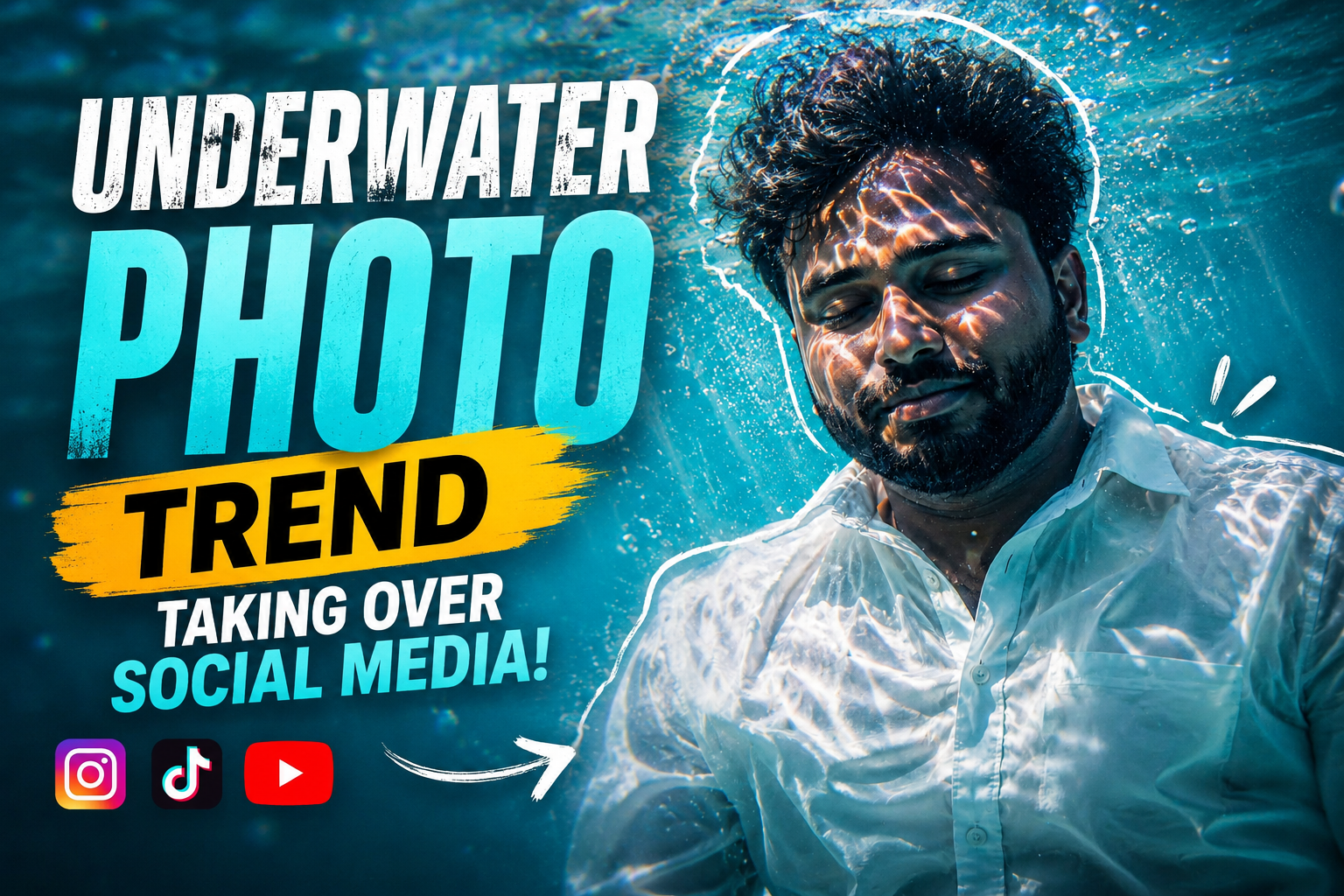
Hello friends, today we are going to explore the underwater photo trend that keeps popping up on Instagram, TikTok, and Snapchat and why your feed is suddenly full of dreamy submerged shots. If you have ever wondered how creators get crystal clear pool photos without ruining their phone, this guide will walk you through what is really going on behind those posts.
Many people try to copy these underwater pictures, only to end up with foggy images, awkward poses, or even a damaged device. The aim of this article is to break the trend into simple pieces so you understand the gear, settings, safety rules, and editing tricks that give those photos their clean look. You will see what is realistic and what is risky.
This breakdown is for casual phone users, new creators, and even parents who just want cool holiday pool photos without an expensive camera. We will look at basic setups using a normal smartphone and a budget case, plus what changes if you move to an action camera or a dedicated underwater rig. You can decide what matches your budget and comfort level.
Along the way we will point out common mistakes like trusting water resistant marketing language too much, using the wrong type of pool lighting, or skipping simple prep that makes water look cloudy and skin tones strange. If you want to join the underwater photo trend without destroying your phone or wasting a vacation, keep reading, test slowly, and treat every tip as something to adapt to your own conditions.
Related Resource
The Prompt Link button above opens the related resource for Under Water Photo Trend Taking Over Social Media. It is included so readers can reach the mentioned page directly.
What Is The Underwater Photo Trend Exactly
On social media this trend usually means portrait style photos taken in a pool, sea, or bathtub where the subject is fully or partly submerged. Common variations are floating dress shots, couples holding hands underwater, hair fanned out around the head, or half above half below compositions that show waterline drama.
Short form video platforms made it explode because slow motion bubbles, hair movement, and ripples look great with trending sounds. Some creators also use this style for product photos such as a perfume bottle or phone case placed on pool tiles.
Safety And Reality Check Before You Start
The biggest mistake viewers make is assuming every trending video equals a safe workflow. Many viral underwater clips are shot with dedicated waterproof cameras or in controlled studio pools. Some are composites where the subject filmed in shallow water and the background was edited later.
There is also a real risk around breath holding. Long underwater poses can put pressure on swimmers who are not very confident. Children copy TikTok poses in deep pools without supervision. Set a simple rule for your shoots. Stay close to the surface, use shallow water where you can stand, and take breaks after every few shots.
Can You Use A Normal Phone For Underwater Photos
Most recent mid range and flagship phones have some level of water resistance rating, often advertised with a short depth and time. That rating is for accidental splashes in controlled lab tests, not long swimming sessions or chlorinated pools. Using a bare phone fully underwater always carries a damage risk.
A practical approach is to use a waterproof case or pouch rated specifically for underwater photos and treat it as your first line of defense. Even then, double check customer reviews and look for notes about fogging and touch screen behavior.
Best Gear Options For Underwater Shots
Here is a simple comparison of the three most common setups people use for the underwater photo trend.
| Setup | Typical Cost | Main Pros | Main Cons | Best For |
|---|---|---|---|---|
| Phone in waterproof pouch | Low | Uses your existing phone, cheap, easy to pack | Soft plastic can blur image, touch can be unreliable, risk if seal fails | Casual vacation pool photos, first experiments |
| Action camera with waterproof housing | Medium | Built for water, wide angle lens, strong mounts | Wider look can distort faces, extra device to manage | Active swimming, diving, content for reels and vlogs |
| Mirrorless or DSLR with underwater housing | High | Best quality, interchangeable lenses, professional control | Expensive, heavy, learning curve, not for quick trips | Professional shoots, brand campaigns, studio pools |
Basic Setup Steps For Cleaner Underwater Photos
1. Prepare The Water And Environment
Clear water matters more than sensor size. A slightly cloudy pool or a bathtub with foam will quickly make images look flat. If you shoot in a public pool, choose a time when it is less crowded so you avoid floating debris. For sea shots, look for calm, shallow spots where sand is not constantly stirred up.
2. Clean Your Lens And Case
Smudges, sunscreen, or drops on the case window create strange haze. Before going into the water, wipe the lens area gently with a microfiber cloth and do a fast test shot above water. Once inside the pool, avoid touching the lens window with oily hands. If you must, rinse and wipe again after drying.
3. Plan Simple Poses First
Start with easy poses that you can hold for a few seconds. For example, sitting on pool steps and leaning back, or floating while holding the pool edge with one hand. Complicated spins or jumps often look worse than a calm, controlled expression. You can build up to more dramatic ideas once you understand how your hair and clothes behave underwater.
Two Real World Examples From Typical Shoots
Example 1: Holiday Pool Portrait
Imagine you are in a hotel pool with a friend and want a trending underwater portrait. You both stand near the shallow end so you can keep feet on the floor. The photographer uses a phone in a pouch, sets the camera to wide mode, and switches to burst. On a countdown, you exhale gently, go just under the surface, and open your eyes for two seconds.
You do this in three short rounds, checking results between each. One will usually have sharp eyes, relaxed face, and soft hair movement. You then crop for vertical framing and add a light teal and orange style filter in your favorite editing app.
Example 2: Product Shot For A Small Brand
A local swimwear seller wants content that matches the underwater photo trend. Instead of renting a studio, they use a clean backyard pool, an entry level action camera, and a friend as model. The product is the swimsuit, so they work mostly at chest depth, with the model half submerged and hair trailing in the water.
They keep the camera slightly below the surface pointing up which makes the waterline and sky visible. Later, they add simple text overlays and post the short clips as vertical videos, tagging relevant hashtags and saving a still frame as a feed post. The result looks on trend without heavy equipment.
Editing Tips That Make The Trend Pop
Raw underwater photos often look more green or flat than expected. A basic workflow is to raise exposure slightly, add contrast, and warm up the temperature so skin tones do not look sickly. Many mobile apps have specific underwater or aqua filters that reduce green and boost blue.
Watch out for over sharpening. Social media platforms compress images, so too much local contrast can give halos around arms and faces. Subtle clarity and a bit of dehaze are usually enough. For videos, try slow motion for bubbles and hair flips, and pick a soft background track that matches the movement rather than a very fast one.
Common Mistakes To Avoid
- Going underwater for too long just to get one perfect shot. Short, repeated attempts are safer and more comfortable.
- Trusting every viral hack. Some trends involve removing phone seals or using hot water which can permanently damage internal parts.
- Ignoring local rules. Many hotel pools restrict large shoots, tripods, or flashes, and some beaches have safety zones where cameras distract swimmers.
- Forgetting consent. Do not post strangers in the background clearly visible in swimwear without checking with them first.
Conclusion
The underwater photo trend looks magical on social media, but behind every clean shot there is basic planning, the right gear for the situation, and simple safety habits. You do not need a professional housing to try it, although serious work will benefit from one. A budget pouch, shallow water, and clear communication with your subject already give you a good start.
If you treat water resistance claims with caution, test slowly, and edit with a light touch, your submerged portraits and clips can fit into current trends without putting your phone or your health at risk. Begin with easy holiday style pictures, review what worked, then gradually experiment with more creative poses whenever conditions feel safe and comfortable.
FAQ
Is the underwater photo trend safe for kids
It can be safe in shallow water with close adult supervision, short submersions, and no pressure to hold breath for long. Avoid deep ends and complex poses for children.
Can I really take underwater photos with a water resistant phone
You can, but it is a risk. Water resistance ratings are for splashes and brief immersion. For planned underwater photos, a separate waterproof case or camera is the safer choice.
Which social platform pushes underwater photos the most
Short vertical video platforms usually give more reach to underwater clips, especially when paired with trending sounds. Still photos perform well on image focused networks when edited cleanly.
What is the easiest pose for beginners
Start with a half underwater pose, where your mouth and nose stay above the surface and only hair and shoulders are submerged. It feels natural and is easier to repeat.
How do I stop my underwater photos from looking green
In your editing app, raise temperature slightly, reduce green tint, and increase contrast a bit. If the water itself is very green, consider black and white conversion instead.
Thank you for reading. If you found this guide helpful, follow our blog for more latest tech news, useful apps, creative camera tricks, AI tools, and social media trend updates.