Hello friends, today we are going to look at something many of you struggle with, turning raw phone clips into a clean video that actually looks ready for YouTube, Reels, or Shorts. By 2026, mobile editors are powerful, but the crowded app stores make it hard to know what is safe, what is fast, and what quietly locks your project behind a paywall.
This blog will help you choose a mobile video editing app in 2026, set it up correctly, and avoid some painful beginner mistakes like wrong aspect ratio, blurry exports, or watermarks in the corner. You will see clear examples and a simple editing workflow that matches what real creators are doing on Android and iOS right now.
The guide is written for beginners and also for casual creators, maybe a student, small business owner, or solo freelancer, who wants short videos without learning a full desktop editor. If you already post on TikTok or Instagram but feel your edits look messy or slow to produce, these tips will help you tighten your process.
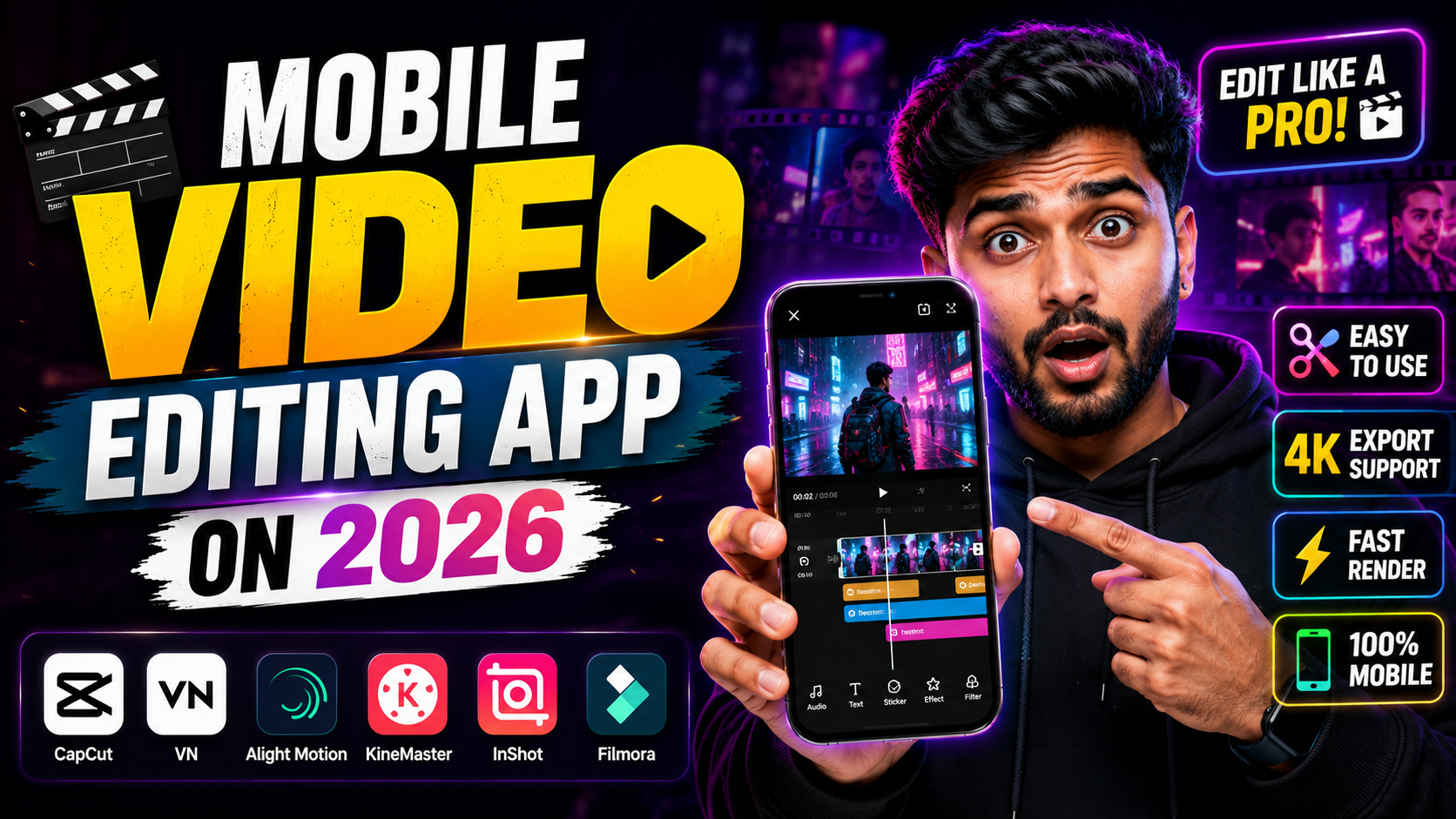
We will compare a few leading apps, including CapCut, VN, KineMaster, Adobe Premiere Rush or Express mobile, and LumaFusion for higher end tablets. The goal is not to crown a single winner, but to match the right tool to your device, your budget, and your style of content. Then we connect that choice to a realistic everyday editing routine.
Related Resource
The Download Now button above opens the Google Play page related to Mobile Video Editing App On 2026. Tap it to reach the app install page directly, so you can open the listing without searching again.
What you should expect from a mobile editor in 2026
Mobile editing in 2026 is not just trimming and adding music. A solid app now usually offers multi layer timelines, auto caption tools, basic color controls, AI powered background removal on some devices, and direct upload options to major platforms. If your current editor only has simple trim and filter tools, it is probably time to upgrade.
However, more features also mean more traps. Heavy AI effects can lag on cheaper phones, and many apps advertise free editing but hide limits inside export quality, project count, or watermark removal. Always test export options on day one so you know what quality and logo rules you are really working with.
Quick comparison of popular mobile video editors in 2026
Here is a practical snapshot of how common editors compare. Exact features can change with updates, so treat this as a starting point and always check the latest app page before you decide.
| App | Platforms | Best For | Watermark In Free Tier | AI Features | Export Control |
|---|---|---|---|---|---|
| CapCut | Android, iOS | Short form vertical content | Usually none, but check templates | Auto captions, effects, background removal on some phones | Good presets for TikTok, Reels, Shorts |
| VN Video Editor | Android, iOS | Free multi track editing | No watermark at the time of writing, may change | Basic helpers, less AI heavy | Manual control of resolution and bitrate |
| KineMaster | Android, iOS | Layer heavy edits and text | Free tier watermark, paid removes it | Some auto tools and effects | Strong control, but best on newer phones |
| Adobe Premiere Rush / Express mobile | Android, iOS | Brand safe cross device workflow | Limits in free plan, check current terms | Auto audio leveling, some smart tools | Good if you also use Adobe desktop |
| LumaFusion | iOS, some Android tablets | Serious editing on tablet | No watermark, paid app | Focused more on manual control | Advanced timeline and color settings |
First time setup checklist for a mobile video editing app in 2026
Once you install your editor from the official store, take five minutes for setup instead of jumping straight into a big project. This prevents common quality problems that appear only after you hit upload.
- Open settings and set default resolution and frame rate to match your camera, for example 1080p at 30 or 60 frames, or 4K if your phone can handle it.
- Select your usual aspect ratio. For vertical shorts use 9 by 16. For YouTube landscape use 16 by 9. Lock this so you do not end up with black bars.
- Pre download any fonts, stickers, and music packs you will use often, so you are not stuck waiting on a slow network when a deadline arrives.
- Turn off aggressive auto enhancements if they make your skin look strange. It is better to use gentle color and exposure sliders manually.
- Check what the app uploads by default. Some tools try to auto sync drafts to the cloud. For privacy, disable anything that sends media without your clear action.
Real world example: student making weekly shorts
Imagine a college student recording quick campus clips on a mid range Android phone. They choose CapCut because it integrates well with short form platforms and offers easy auto captions. After a quick setup, they build a reusable template with intro text, a music track, and an outro frame that shows their handle.
Each week, they drop three new clips into that template, trim, adjust sound levels so voice is slightly louder than music, and export at 1080p. The first month, the main mistake was random aspect ratios. After locking all projects to 9 by 16 and keeping consistent fonts, the feed finally looks like a series instead of disconnected posts.
Case study style workflow: small cafe running social videos on phone
A small cafe owner uses an iPhone and does not want to learn desktop software. They pick VN because it is free, watermark free at the time of writing, and handles simple multi track edits. Their routine is short, practical, and realistic for a busy day.
- Morning, record three clips of coffee pouring, food prep, and the street outside.
- At a quiet moment, open VN, create a 15 second 9 by 16 project, and drop the clips in sequence.
- Cut dead seconds at the start and end of each clip. Aim for fast pacing so no shot lasts more than three seconds.
- Add a title with the daily special and a subtle logo in a corner. Keep overlays away from where platform UI covers the screen.
- Lower background music slightly when the staff member speaks. Use built in loudness controls, often called ducking, to do this quickly.
- Export one master file, then upload the same file to Instagram Reels, TikTok, and YouTube Shorts from the phone.
The owner tried heavier AI transitions at first, but render time became too long and some effects felt off brand. By focusing on clean cuts and clear text instead of every trendy filter, they found a sustainable workflow that fits their energy and internet upload speed.
Common mistakes when using mobile video editing apps in 2026
Many people blame their phone when the real problem is a few small habits. Fixing these can improve quality more than switching apps again and again.
- Editing directly from internal downloads or chat folders, which can confuse the app when those files are deleted later. Always import clips into a clear project folder first.
- Mixing frame rates from different sources without checking playback. Combining 24, 30, and 60 frames randomly can create stutter on some devices.
- Using copyrighted music from platform libraries in an external editor and then uploading to a different service. Rights can be tied to a single app, so use royalty free tracks or music from trusted libraries when exporting standalone files.
- Ignoring storage warnings. Heavy 4K projects on budget phones can crash more often. For older devices, use 1080p and shorter timelines and clear cache after finishing a big edit.
- Letting the app resize clips automatically. Cropping a landscape clip into vertical without checking the frame can cut off faces or product details. Always preview framing for each key shot.
Privacy and data notes you should not skip
Some mobile video editors include online template galleries and cloud sync. These are useful, but also mean your clips might be uploaded to remote servers for processing, especially for AI background removal or auto captioning. Read the permission list carefully and deny anything that does not match your needs.
A cautious approach is to avoid editing highly sensitive content on apps that rely heavily on online processing. For general vlogs and product demos this is less of an issue, but for school projects with minors, client work, or anything under a non disclosure agreement, pick apps that process mostly on device and keep backups on your own storage.
Conclusion
The best mobile video editing app in 2026 is the one that matches your phone, your content type, and your patience for subscriptions, not the loudest name in ads. CapCut and VN cover most short form creators, KineMaster and Adobe tools suit layered branded work, and LumaFusion shines on tablets when you want near desktop control.
Start by locking your default settings, test export quality on a one minute clip, and build a simple reusable template instead of editing each video from a blank timeline. If you keep projects short, manage storage, and stay realistic about AI features versus your device power, mobile editing can handle most of your everyday content without touching a laptop.
FAQ
Which mobile video editing app is best for beginners in 2026
For most beginners, CapCut or VN are good starting points. Both are free, easy to learn, and designed for vertical platforms. Try each for a weekend and stay with the one that feels less confusing during basic trim and text tasks.
Is 4K editing on a phone worth it
Only if your phone is fairly recent and has enough storage. For social media, clean 1080p is usually enough. If you see lags or crashes at 4K, drop to 1080p and focus on better lighting and audio instead.
How do I remove watermarks without piracy
You should not try to hack watermarks. If an app adds its logo in the free tier, either pay for the official upgrade if it fits your budget, or switch to a different free editor that does not use watermarks at the moment.
Can I rely only on AI tools for editing
AI tools are good for captions, rough cuts, and some corrections, but they still make mistakes with language, timing, and faces. Always review the full timeline manually before export, especially for client or brand work.
How much storage do I need for mobile video editing
For regular short videos, try to keep at least 10 to 15 gigabytes free. Delete old exports you already uploaded and clear app cache regularly. For 4K or longer vlogs, consider external storage or backing up to a computer.
Thank you for reading this guide. If you found it useful, keep visiting our blog for more latest tech news, helpful mobile apps, AI tools, and practical how to updates for your daily digital life.