The internet on mobile phones is no longer limited to browsing websites or using social media. In 2026, internet-based mobile apps have quietly become tools that manage daily life. From saving time and data to improving productivity and security, useful internet apps now work more like assistants than simple applications. Most users don’t even realize how much they rely on them until they stop working.
What makes an app “useful” in 2026 is not how many features it has, but how smoothly it fits into everyday routines without demanding attention.
How Internet Apps Have Evolved for Mobile Users
From Single-Purpose Apps to Smart Utilities
Earlier mobile apps focused on one task. Now, internet apps combine multiple functions into one clean experience. A single app may handle storage, syncing, sharing, and backup at the same time.
This reduces app clutter and improves efficiency.
Designed for Real-World Usage
Modern apps are built around how people actually behave, not how developers think they should behave. Background syncing, offline support, and low-data modes are now standard.
Apps adapt to users instead of forcing habits.
Cloud Storage Apps as Daily Essentials
Managing Files Without Storage Worries
Cloud storage apps remain some of the most useful internet apps in 2026. They allow users to store photos, videos, documents, and backups without filling phone memory.
Users no longer think about where files are saved. They just access them.
Automatic Backup and Sync
Photos, contacts, and important files are backed up automatically. Even if a phone is lost or damaged, data stays safe.
This reduces stress and data loss risks.
Browser Apps That Do More Than Browsing
Faster and Safer Internet Access
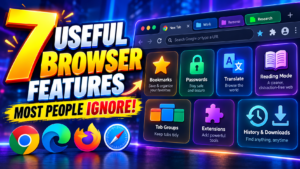
Modern mobile browsers focus on speed, privacy, and readability. Built-in tracking protection and data compression make browsing smoother.
Users get cleaner pages with fewer distractions.
Smart Reading and Search Tools
Browsers now summarize pages, block unnecessary scripts, and adapt layouts for small screens.
Browsing becomes more efficient, not overwhelming.
Payment and Finance Internet Apps
Digital Payments Made Simple
Internet payment apps handle UPI, cards, subscriptions, and bill payments from one place. Transactions are faster and more secure.
Cash dependency continues to drop.
Expense Tracking and Alerts
Many apps automatically track spending and notify users of unusual activity.
This improves financial awareness without effort.
Communication Apps Beyond Messaging
One App for Calls, Chats, and Meetings
Communication apps now combine messaging, voice calls, video calls, and file sharing seamlessly.
Switching between apps is no longer necessary.
Optimized for Low Bandwidth
Even in poor network conditions, these apps adjust quality automatically to stay connected.
Reliability matters more than quality.
Internet Utility Apps for Productivity
Notes, Tasks, and Planning in One Place
Productivity apps now sync notes, reminders, and to-do lists across devices instantly.
Users plan once and access everywhere.
Minimal Design, Maximum Focus
Distraction-free interfaces help users focus on work instead of features.
Simplicity wins.
Navigation and Travel Internet Apps
Smarter Maps and Routing
Navigation apps provide real-time traffic updates, route suggestions, and offline maps.
Travel becomes more predictable.
Location Sharing and Safety Tools
Users can share live location with trusted contacts, improving safety during travel.
Peace of mind is a key feature.
Learning and Knowledge Apps
Learning Without Heavy Downloads
Internet-based learning apps stream content instead of storing it locally. This saves space and data.
Knowledge stays accessible anytime.
Personalized Learning Flow
Apps adapt lessons based on user progress and interests.
Learning feels less forced.
Media and Content Consumption Apps
Streaming With Smart Data Control
Video and music apps adjust quality automatically based on network strength.
Users avoid buffering and data waste.
Content Discovery That Makes Sense
Instead of endless scrolling, apps recommend content based on real interest, not just trends.
Quality improves over quantity.
Internet Security and Privacy Apps
Protecting Data in the Background
Security apps monitor unsafe networks, phishing links, and suspicious activity silently.
Protection doesn’t interrupt usage.
Permission and App Control
Users can see which apps access what data and control it easily.
Transparency improves trust.
File Sharing and Transfer Apps
Fast Sharing Without Cables
Internet apps allow users to send large files instantly without physical connections.
Sharing becomes effortless.
Cross-Platform Compatibility
Files move easily between Android, iOS, and desktops.
Barriers disappear.
Social Utility Apps (Not Just Entertainment)
Community-Based Information Sharing
Some social apps focus on local updates, alerts, and useful discussions instead of pure entertainment.
These apps add real value.
Reduced Noise, More Relevance
Users prefer apps that show fewer but more meaningful updates.
Attention is treated carefully.
Why These Apps Matter in 2026
Saving Time Every Day
Small conveniences add up. Useful internet apps reduce repeated manual work.
Time saved becomes noticeable over months.
Reducing Mental Load
When apps handle backups, reminders, and syncing, users think less about management and more about action.
Mental clarity improves.
Limitations Users Should Understand
Internet Dependency Still Exists
Most of these apps need stable internet. Offline modes help but are limited.
Connectivity remains important.
Privacy Depends on User Choices
Even useful apps collect data. Users must manage permissions and settings.
Awareness is essential.
Choosing the Right Internet Apps
Use Fewer, Better Apps
Installing too many apps creates clutter. A few well-chosen apps work better.
Quality beats quantity.
Review Apps Regularly
User needs change. Reviewing app usage helps remove unnecessary tools.
Clean phones work faster.
Conclusion
Internet useful apps for mobile in 2026 are not about flashy features or heavy customization. They focus on doing essential tasks quietly, reliably, and efficiently. From cloud storage and payments to communication and security, these apps form the invisible foundation of everyday mobile usage.
The most useful apps are the ones users forget about because they work without friction. In 2026, mobile internet apps are less about interaction and more about support. They don’t demand attention. They give it back.