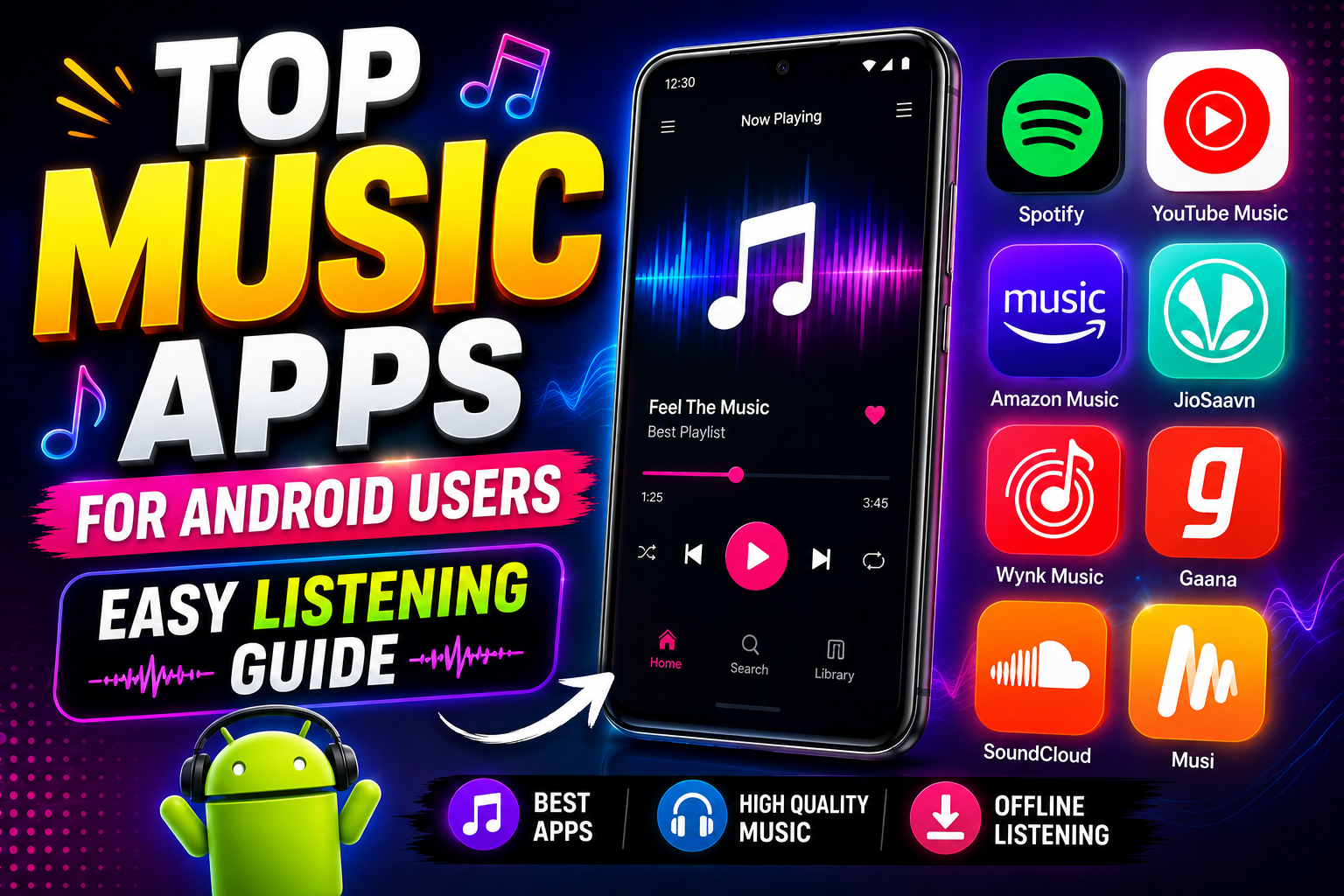
The typical music listening app looks plug and play: install, search a song, press play. Then a week later you discover your data plan is half gone, your battery dies at 4 PM, and your recommendations are full of karaoke tracks you never wanted.
This guide walks through a practical setup workflow for any modern music app (Spotify, Apple Music, YouTube Music, Amazon Music, etc.). The exact buttons vary by platform, but the logic is the same: fix the key settings once, and every playlist you play after that is smoother and cheaper.
1. Start With One Simple Question: How Do You Actually Listen?
Before diving into menus, decide which of these best matches you:
- Mostly on mobile data (commute, walking, gym)
- Mostly on Wi‑Fi (home, office, school)
- Mixed (Wi‑Fi at home, data outdoors)
This matters because most important app settings are trade offs between:
- Audio quality vs. data usage
- Convenience vs. battery drain
- Personalization vs. privacy
Keep your use pattern in mind as you tune each setting below.
2. First Time Setup: Essentials You Should Not Skip
2.1 Create or Sign In to an Account
Using a music app without an account often limits features like syncing playlists across devices, saving favorites, or offline listening. Sign in with:
- Email and password, or
- A connected account (Google, Apple ID, Facebook) if you are comfortable with that
Check if the app sends a confirmation email and verify it to avoid login problems later.
2.2 Pick Your Favorite Artists and Genres
Most apps ask you to select a few artists or genres. This initial step has a huge impact on recommendations:
- Choose at least 10 20 artists you genuinely listen to.
- Avoid tapping everything you have ever heard of. It dilutes your suggestions.
- Skip novelty genres if you only listen to them once a year.
You can usually update these preferences later from the app’s settings or Taste profile type section.
3. Data and Audio Quality: Avoid Surprise Bills
Many users leave streaming quality on Auto and assume it is safe. It usually aims for high quality, which is great on Wi‑Fi, not great on limited data.
3.1 Set Different Quality for Wi‑Fi and Mobile Data
Look in the app’s Settings → Audio quality / Data saver / Playback. Typical options:
- Low / Data saver Uses less data, lower audio quality.
- Normal / Medium Good enough for casual listening on most earbuds.
- High / Very high / Lossless Great quality, much higher data use.
Recommended defaults:
- On mobile data: Normal or Low
- On Wi‑Fi: High or Very High (if you care about sound quality)
3.2 Turn On a Data Saver Mode (If Available)
Many apps provide a simple Data Saver toggle that lowers quality and sometimes disables certain visuals or autoplay features while on mobile networks. Enable it if you have a strict data cap.
4. Offline Listening: Use It, But Manage Storage
Offline listening is one of the most useful features of modern music apps, but it is easy to misuse.
4.1 What Offline Listening Actually Does
When you download a song, album, or playlist inside a legal streaming app, you are not getting a standard audio file you can copy anywhere. You are getting encrypted files that only work in that app, on that device, while your subscription or free access is active.
4.2 Smart Offline Strategy
- Download playlists you replay often (workout mix, daily commute, focus music).
- Download albums you play fully, not random single tracks you might never touch again.
- Review downloaded content once a month and remove what you no longer need.
In settings, you can usually choose download quality. If storage is tight, pick Normal quality downloads instead of Very High.
5. Notifications, Autoplay, and Battery: Stop the Noise
5.1 Disable Unnecessary Notifications
By default, music apps love to send notifications: new releases, suggested mixes, friend activity.
Go to Settings → Notifications (inside the app) and turn off everything you do not care about, especially:
- New music recommendations spam
- Social activity you do not use
- Marketing promotions
On Android and iOS, you can also control notifications from the system settings if the in app options are limited.
5.2 Tame Autoplay and Background Play
Autoplay keeps playing similar songs after your chosen track or playlist ends. Nice when you want endless music, annoying when you are tracking your listening or have limited data.
- Find the Autoplay toggle in playback settings and set it according to your taste.
- Check if Allow background play or Picture in picture is enabled; it is useful, but can slightly increase battery use.
6. Privacy, Personalization, and Social Features
Music apps collect quite a bit of data: what you play, skip, repeat, search, and share. Some of this is needed for recommendations. Some of it is optional.
6.1 Check History and Personalization Controls
Look for settings like:
- Listening history Usually you can clear or pause it.
- Improve your recommendations Remove specific artists or songs from influencing recommendations.
- Explicit content filters Useful for family devices or shared accounts.
If you share your account with family, be aware their taste will affect your recommendations unless the app supports separate profiles.
6.2 Make Your Profile as Public or Private as You Want
Many apps show what you are listening to your friends or followers by default. If you do not want that:
- Disable Share what I’m listening to or Listening activity.
- Set playlists to Private when you create them, if supported.
- Review any Connect to social accounts options and disconnect ones you do not use.
7. Common Mistakes People Make With Music Listening Apps
- Leaving everything on default. Defaults are usually tuned for engagement, not your data or privacy.
- Randomly liking every song. Like or heart only tracks you genuinely enjoy; it shapes your daily mixes.
- Ignoring device limits. Some services limit how many devices you can use for downloads. If you share accounts, check these rules.
- Subscribing without checking offline rules. Offline downloads may expire if you do not connect online regularly (often every 30 days).
- Using shady tools for downloads. Third party free download tools for music from paid services can break terms of use and may bundle malware. Stick to official offline features or legal free alternatives.
8. When to Consider Switching Music Apps
Sometimes the issue is not your setup but the service itself. You might want to try another app if:
- You cannot find a lot of the artists you like because of regional licensing.
- The app routinely stutters or crashes on your older device.
- Its offline limits, device caps, or family plan pricing do not match your household.
- You need better integrations (for example, smart speakers, car system, smart TV).
Most services offer free tiers or short trials. Test a new app with the same routine playlist (commute, gym, study) for a week and compare:
- Data usage (check in your phone’s data settings)
- Battery impact
- How relevant the personalized mixes feel
9. Quick FAQ
Can I move playlists between music apps?
Yes, there are third party tools and services that transfer playlists between platforms. Many require access to your accounts, so review their privacy policies carefully before using them.
Do I need high quality audio if I use cheap earbuds?
Usually not. On basic earbuds or Bluetooth speakers, Normal quality is fine. Save High or Lossless for good wired headphones or speakers and when you have enough data or Wi‑Fi.
Why do I hear songs I do not like in my mixes?
Mixes are algorithmic guesses. Use Like/Dislike (thumbs up/down or heart/block options) consistently for at least a week; this usually tightens up recommendations significantly.
Is it safe to use a VPN with music apps?
Most apps will still work through a VPN, but using it to bypass regional restrictions may violate terms of use. Services can change behavior or lock accounts if they detect abuse.
Why did my downloaded songs disappear?
Common reasons: subscription expired, you did not open the app online for a while, or you changed devices. Check the app’s offline rules and ensure your account is still active.