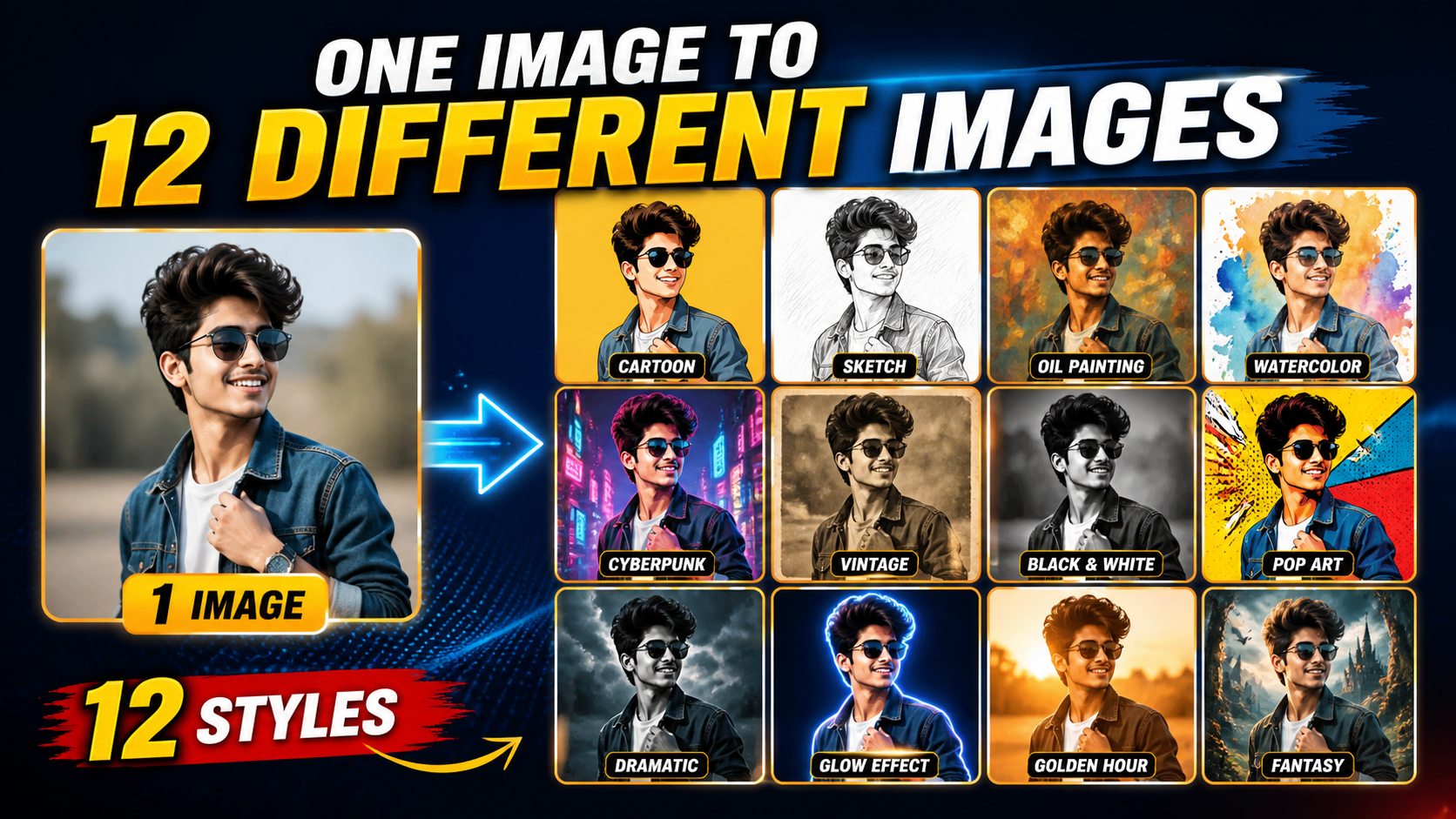
In 2026, content creation has become faster, smarter, and more scalable than ever before. One of the most powerful techniques used by creators today is transforming a single image into multiple variations. Instead of taking multiple photos or spending hours editing, users can now generate different styles, moods, and concepts from just one image. This method is especially popular among creators on platforms like Instagram, where consistency and volume both matter.
This approach is not just about duplication—it is about creativity. By using structured ideas and smart editing strategies, one image can be turned into multiple unique visuals that look completely different from each other. This helps creators maintain a consistent presence while saving time and effort.
In this detailed guide, you will learn how to convert one image into 12 different images, what techniques to use, and how to ensure each variation looks unique and engaging.
Why Convert One Image into Multiple Variations
Content Efficiency and Time Saving
Creating content regularly can be challenging, especially when you need high-quality visuals every day. By converting one image into multiple variations, you reduce the need for constant photo shoots.
This method allows you to:
- Save time on capturing new images
- Maintain consistency in your content
- Focus more on creativity rather than production
It is widely used by influencers, designers, and social media managers who need frequent posts.
Boosting Engagement and Reach
Different styles appeal to different audiences. By creating multiple variations from one image, you increase the chances of reaching a wider audience.
For example, one version may perform well with minimal aesthetics, while another may attract users who prefer bold and vibrant visuals. This diversity helps improve engagement.
Understanding the Concept of Image Variations
Creating variations means changing the visual style while keeping the core subject the same. Each variation should feel unique in terms of lighting, mood, background, and overall presentation.
In 2026, AI tools and editing apps make this process easier. They allow users to experiment with different styles without losing image quality. The goal is to create images that look like they were captured in completely different environments.
Key Elements to Change in Each Variation
Background Transformation
One of the easiest ways to create variation is by changing the background. A single subject can appear in different environments such as studio setups, outdoor scenes, or abstract backgrounds.
A clean background gives a professional look, while a creative background adds personality and uniqueness.
Lighting and Color Tone
Lighting plays a major role in defining the mood of an image. Changing lighting from warm to cool tones can completely alter the feel of the photo.
Soft lighting creates a calm and natural look, while dramatic lighting adds intensity and depth.
Mood and Emotion
Each variation should convey a different emotion. This can be achieved through facial expression, color grading, and overall atmosphere.
For example, one image can feel joyful, while another can look serious or cinematic.
Camera Style and Effects
Changing the camera perspective, depth of field, or blur effect can make each image look unique. Close-up shots, wide angles, and portrait styles all create different visual experiences.
Popular Variation Styles in 2026
Studio Style Images
Studio-style variations use clean backgrounds and balanced lighting. These images look professional and are perfect for profile pictures or branding.
Cinematic Look
Cinematic variations include dramatic lighting, shadows, and depth. These images feel like scenes from a movie and are highly engaging.
Minimal Aesthetic
Minimal images focus on simplicity. With fewer elements and clean composition, they are easy to view and visually appealing.
Neon and Modern Style
Bright colors, glowing effects, and futuristic elements define this style. It is popular among younger audiences and creative creators.
Nature and Outdoor Themes
Adding natural elements like sky, greenery, or sunset backgrounds creates a fresh and relaxing feel.
Vintage and Retro Effects
Old-style color tones and textures give a nostalgic look. These variations are popular for storytelling content.
Step-by-Step Process to Create 12 Variations
Start with a High-Quality Base Image
Choose a clear and sharp image. The better the quality of the original image, the better the variations will look.
Plan Your 12 Styles
Before editing, decide what types of variations you want. This helps maintain structure and avoids random editing.
For example:
- Clean studio
- Cinematic
- Minimal
- Outdoor
- Dark mood
- Bright aesthetic
- Vintage style
- Neon effect
- Soft portrait
- High contrast
- Black and white
- Creative background
Apply Changes One by One
Work on each variation individually. Focus on changing one or two elements at a time instead of everything at once.
Maintain Subject Consistency
While backgrounds and styles change, the subject should remain clear and recognizable. This keeps all variations connected.
Final Adjustments
After creating all variations, review them to ensure quality and consistency. Make small adjustments if needed.
Tips to Make Each Image Unique
Avoid repeating the same color tones across all variations. Use different palettes to create diversity.
Ensure that lighting matches the background. Mismatched lighting can make the image look unrealistic.
Keep edits balanced. Over-editing can reduce quality and make images look artificial.
Experiment with creative ideas. Unique concepts often perform better than common styles.
Common Mistakes to Avoid
Creating variations that look too similar is a common mistake. Each image should feel distinct.
Ignoring resolution can reduce image quality. Always maintain high resolution.
Using too many effects can make images look unnatural. Keep edits clean and realistic.
Not planning styles in advance can lead to inconsistent results.
Benefits for Social Media Growth
Using one image to create multiple variations helps maintain a consistent posting schedule. It also allows creators to test different styles and understand what works best.
This method increases:
- Content output
- Audience engagement
- Visual diversity
It is especially useful for creators who want to grow quickly without spending too much time on production.
Future of Image Transformation
As AI technology continues to improve, image transformation will become even more advanced. Tools will offer faster processing, better realism, and more creative options.
In the future, users may be able to generate unlimited variations instantly with minimal effort. Personalization and automation will play a major role in content creation.
Conclusion
Converting one image into 12 different variations is one of the smartest content strategies in 2026. It saves time, increases creativity, and helps maintain consistency across platforms like Instagram.
By focusing on elements like background, lighting, mood, and composition, you can create unique visuals from a single photo. The key is to plan your variations, maintain quality, and experiment with different styles.
With the right approach, this technique can significantly improve your content strategy and help you stand out in a competitive digital space.
FAQs
What does converting one image into multiple images mean?
It means creating different visual styles from a single image by changing background, lighting, and effects.
Do I need AI tools for this process?
AI tools make it easier, but basic editing apps can also be used.
How many variations should I create?
You can create as many as you want, but 10–12 variations are commonly used.
Will image quality reduce after editing?
Not if you use high-quality tools and maintain resolution.
Is this method useful for beginners?
Yes, it is simple and effective for all skill levels.
Can I use these images for social media?
Yes, they are perfect for platforms like Instagram.
What is the biggest advantage of this technique?
It saves time and increases content output without needing new photos.
Will this trend continue in the future?
Yes, as AI improves, this method will become even more popular and powerful.